Column · @felixqbrz440
Jamaican Food Dishes That Capture the Spirit of the Island
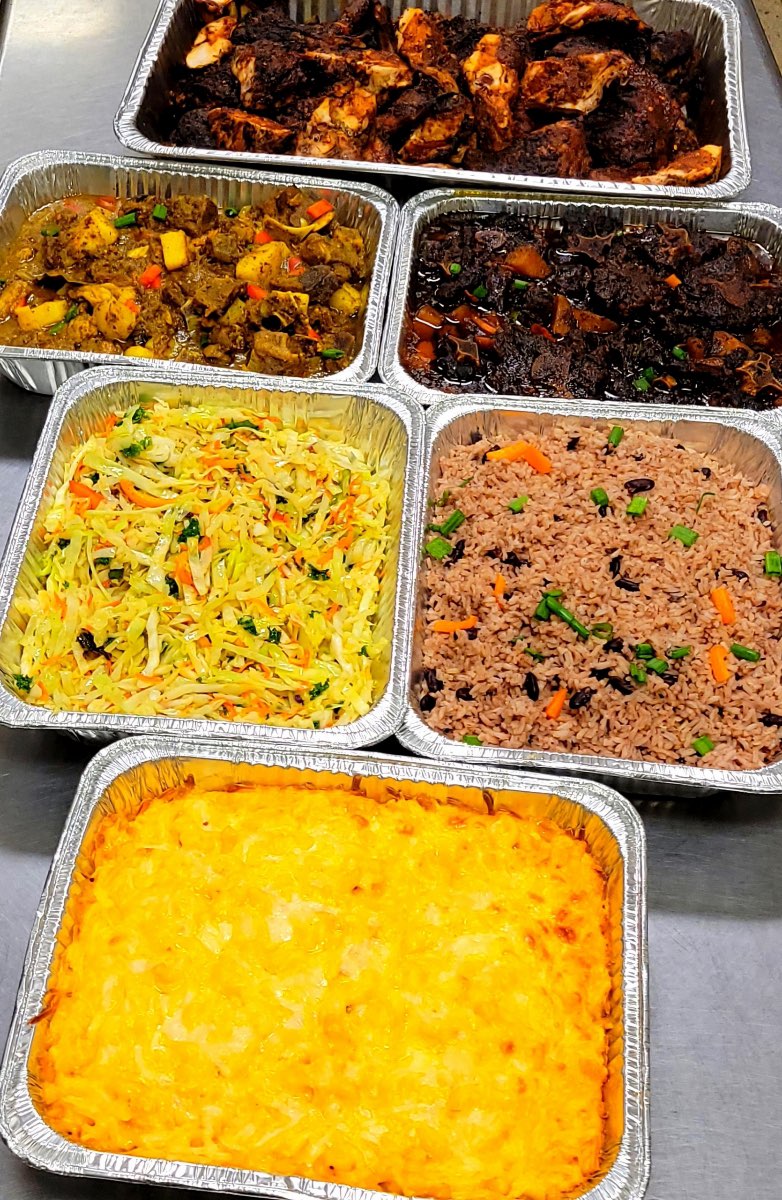

Jamaican food has a way of announcing itself before it reaches the table. You smell smoke from pimento wood, thyme rising from a bubbling pot, scallion and Scotch bonnet opening up in hot oil, coconut softening something hearty into something memorable. It is bold food, but not reckless. The best cooking on the island balances fire with sweetness, starch with spice, and technique with instinct.
What makes Jamaican food so compelling is not just flavor, though flavor is where most people start. It is the way the cuisine carries history in every category of dish. Indigenous ingredients, African cooking traditions, British colonial influence, Indian spices, Chinese migration, and the island’s own resourcefulness all show up on the plate. A breakfast can tell one story, a roadside lunch another, and a Sunday dinner something deeper still.
People who are new to Jamaican cooking often reduce it to jerk chicken and patties. Those are important, certainly, but they are only part of the picture. The real character of the island appears in everyday meals, in market staples, in soups built to feed a crowd, and in dishes that take patience. Some foods are celebratory, some practical, some deeply local, and many are all three at once.
Why certain dishes stay with you
The dishes that define Jamaica are rarely flashy in the modern restaurant sense. They earn devotion through aroma, repetition, and the kind of cooking that depends on timing more than measurement. If you have ever stood near a jerk pan on a warm evening, or eaten rice and peas with gravy soaking into the edges, you understand that Jamaican cooking often works by accumulation. One ingredient seasons the next. One pot leaves https://louiscwls042.wordcanopy.com/posts/an-introduction-to-the-heart-of-jamaican-food traces for the next meal. The result is food that tastes lived in.
A lot of that character comes from seasoning practices. Green seasoning, allspice, garlic, ginger, onion, thyme, scallion, and Scotch bonnet form a kind of backbone across many recipes. Browning adds color and slight bitterness. Coconut milk rounds out stews and rice. Saltfish brings concentrated savor. Even seemingly simple dishes develop complexity because the cook is not just adding ingredients, but layering memory and habit into them.
There is also a practical logic behind many favorites. Jamaica’s cuisine is full of dishes designed to satisfy hard-working people, stretch ingredients, preserve food, or make the most of what grows well in a tropical climate. That is one reason the island’s food feels so grounded. It is celebratory, yes, but it is also functional in the best possible way.
Jerk, the dish most people know, and often misunderstand
Jerk is probably the most internationally recognized expression of Jamaican food, and it deserves its reputation. Done well, jerk is not simply spicy grilled meat. It is a preservation method, a seasoning style, and a cooking tradition with deep roots. The hallmark flavor comes from pimento, known elsewhere as allspice, along with Scotch bonnet pepper, thyme, scallion, garlic, and warm spices that vary by cook. The meat, often chicken or pork, is marinated thoroughly, then cooked slowly over pimento wood.
That final detail matters. Plenty of places serve “jerk” that has the seasoning profile but not the smoke. Without the wood, the flavor can still be enjoyable, but it misses the haunting depth that makes real jerk unforgettable. The smoke should not flatten the spices. It should carry them. Proper jerk also has contrast. The outer edges can be dark and charred, while the interior stays juicy and seasoned all the way through.
Pork jerk can be especially revealing because pork holds smoke beautifully and tolerates aggressive seasoning. Chicken, especially leg quarters, is more common and more forgiving, but even that requires judgment. Too much sugar in the marinade burns before the meat cooks through. Too little salt and the spices taste disconnected. Too much Scotch bonnet and you lose everything except heat. The best jerk cooks know exactly where to stop.
Ackee and saltfish, the national dish with unusual elegance
Ackee and saltfish is one of those dishes that tells you a country’s identity cannot be reduced to convenience. Ackee, when cooked properly, has a delicate, buttery texture that people often compare to scrambled eggs, though that comparison only goes so far. It is softer, gentler, and more absorbent. Saltfish, usually cod that has been cured and rehydrated, brings salt, chew, and a kind of maritime depth that balances ackee’s richness.
The usual supporting cast includes onion, tomato, bell pepper, Scotch bonnet, black pepper, and thyme. The pan should smell savory first, then bright. If the dish is overworked, the ackee breaks down too much and loses its elegance. If the saltfish is not soaked or boiled adequately, the entire dish tips into harshness. This is a plate that rewards restraint.
Served with fried dumplings, roasted breadfruit, boiled green banana, or festival, ackee and saltfish becomes a full breakfast with serious staying power. It is also one of the clearest examples of how Jamaican food builds pleasure out of contrast. You get creamy against firm, mild against saline, rich against fresh, and heat that can remain in the background or step forward depending on the cook.
Rice and peas, more than a side dish
Visitors sometimes assume rice and peas is a casual side, something interchangeable with plain rice. On a Jamaican table, that misses the point. Rice and peas carries much of the meal’s emotional weight. The “peas” are usually kidney beans or gungo peas, cooked with coconut milk, thyme, scallion, garlic, and often a whole Scotch bonnet left intact to perfume the pot without bursting. The rice takes on all of that flavor as it steams.
Texture separates average rice and peas from excellent rice and peas. The grains should be tender but distinct, never mushy. The coconut should be present but not dessert-like. The beans should keep their integrity. When done right, the dish can almost stand on its own, though in practice it usually shares the plate with chicken, fish, oxtail, curry goat, or stew peas.
Sunday dinners across Jamaica and the diaspora often revolve around rice and peas for good reason. It is generous, familiar, and able to absorb gravy without losing itself. A plate with rice and peas, stewed meat, and a fresh salad is not elaborate, yet it can feel complete in a way that more expensive meals often do not.
Curry goat and the patience it demands
Curry goat is one of the great slow-cooked dishes of the Caribbean. It should be deeply seasoned, aromatic, and tender enough to pull apart while still retaining some structure. The goat is usually marinated with Jamaican curry powder, garlic, ginger, thyme, scallion, onion, black pepper, and Scotch bonnet, then browned and simmered until the connective tissue softens into the sauce.
This is not a dish to rush. Goat can be stubborn. Depending on the cut and the age of the animal, it may need well over an hour, sometimes much longer, to become properly tender. Pressure cookers have a place in home kitchens, especially on busy days, but a long stovetop simmer often develops a better sauce, one that tastes integrated rather than merely reduced.
Jamaican curry differs from some Indian styles in both composition and expression. It often leans earthier and warmer, with turmeric, coriander, cumin, fenugreek, and allspice giving it a recognizable profile. Potatoes commonly appear in the finished dish, both to stretch the curry and to soak up the sauce. At its best, curry goat feels festive without becoming precious. It is common at celebrations for a reason. It feeds a crowd and leaves an impression.
Oxtail, the slow braise that became a luxury
Oxtail used to be considered a practical cut, valued by cooks who understood how much flavor bones, collagen, and time could produce together. Now it is often one of the pricier items on Jamaican menus, a victim of its own popularity. Even so, when prepared well, it earns every bit of its status.
A good Jamaican oxtail dish starts with assertive seasoning and proper browning. The pieces are then braised with onion, garlic, thyme, broad beans or butter beans, and enough liquid to coax everything into a rich, dark gravy. Browning sauce is common, and when used carefully it adds color and depth. Used carelessly, it can turn the pot bitter, so experience matters.
The finished meat should be almost spoon-soft, but not collapsed into strands. The gravy should cling. Butter beans are not decorative. Their creaminess rounds out the intensity of the sauce and gives the dish a little sweetness. Served over rice and peas, oxtail offers one of the most satisfying combinations in Jamaican food: robust meat, silky gravy, sturdy starch, and a side that knows how to meet it.
Escovitch fish and the island’s talent for brightness
Not every iconic Jamaican dish is heavy or slow-cooked. Escovitch fish brings acidity, crunch, and immediacy to the table. Usually made with a whole fried fish, often snapper, it is topped with a sharp dressing of vinegar, onion, carrot, Scotch bonnet, and pimento berries. The fish comes out crisp, and the vegetables remain lively rather than stewed into submission.
This dish depends on timing. The fish must be seasoned enough to hold its own, fried to a crisp exterior, then dressed while still hot so the escovitch mixture can penetrate slightly without ruining the texture. It is the sort of plate that tastes especially right near the sea, where the fish is fresh and the acidity feels like relief in the heat.
What stands out in escovitch is confidence. There is no attempt to soften the vinegar or hide the pepper. Instead, the dish trusts the eater to appreciate contrast. That confidence runs through much of Jamaican food. Sweetness is allowed, but so is sharpness. Heat is embraced, but not always turned up to spectacle.
Brown stew chicken, the home-cooking standard
If jerk is the export star, brown stew chicken may be the dish that best captures the rhythm of ordinary Jamaican home cooking. It is familiar, economical, and highly satisfying. The chicken is seasoned, often marinated, browned until the skin takes on color, then simmered with onion, tomato, thyme, bell pepper, and enough liquid to create a savory gravy.
The beauty of brown stew chicken lies in its balance. The browning gives slight bitterness and color. Tomato contributes sweetness and body. Fresh herbs lift the pot. The sauce should feel complete without becoming thick in a restaurant-style way. It is gravy, not glaze.
This is the kind of dish that can vary from household to household without losing its identity. Some versions lean sweeter, some hotter, some thicker with vegetables. What remains constant is comfort. Brown stew chicken belongs on lunch menus, weeknight tables, and Sunday spreads alike. It is everyday Jamaican food at its most reliable.
Soup as nourishment, medicine, and social ritual
Jamaican soups deserve far more attention than they usually get outside the island. They are rarely light starters. They are meals, often substantial enough to anchor the day. Fish tea, mannish water, red peas soup, and chicken foot soup each occupy their own lane, but they share a certain purposefulness. These soups are built to restore energy, use ingredients fully, and feed several people with one pot.
Red peas soup, made with kidney beans, salted beef or pigtail, dumplings, yam, pumpkin, and sometimes spinners, can eat like a stew. The broth thickens naturally as the starches break down, creating a soup that feels both rustic and carefully constructed. Mannish water, traditionally made with goat parts and a vivid mix of herbs and spices, has a reputation as a fortifying dish served at gatherings and celebrations. Fish tea, despite its name, is a clean, peppery broth rather than anything related to tea leaves.
These soups speak to another truth about Jamaican food: thrift and generosity are not opposites. A cook can build extraordinary flavor from cuts and components that other cuisines overlook. The result is not austerity. It is abundance with discipline.
Patties, coco bread, and the art of eating on the move
Jamaican patties are one of the great portable foods. A well-made patty has a flaky, turmeric-tinted crust and a filling that is moist, well-seasoned, and contained just enough to remain convenient. Beef is the classic choice, but chicken, vegetable, lobster, and ackee variations all have their place.
The danger with patties is dryness. The crust should shatter lightly, not crumble into dust. The filling should be savory and cohesive without turning pasty. Spice levels vary, though even mild patties usually carry more flavor than their name suggests. Tucked into coco bread, a soft slightly sweet roll, a patty becomes even more satisfying, especially for lunch or a quick roadside meal.
There is a directness to this part of Jamaican food culture that outsiders often love once they understand it. The food is not apologetic. It expects appetite. It values convenience, but not at the expense of seasoning.
Ital cooking and the quieter side of the cuisine
Any serious conversation about Jamaican food should include Ital cooking, the food tradition associated with Rastafarian life and a broader philosophy of natural, vital eating. Ital meals often emphasize plant-based ingredients, minimal processing, and fresh produce, though practices vary. Coconut milk, callaloo, pumpkin, beans, okra, cassava, breadfruit, and a wide range of herbs appear frequently.
The flavors in Ital cooking can be gentler than in heavily seasoned meat dishes, but gentle does not mean dull. In skilled hands, steamed cabbage with carrot and thyme, coconut rundown vegetables, or a hearty lentil and pumpkin stew can feel deeply satisfying. There is usually an attentiveness to texture and freshness that rewards careful eating.
This part of the island’s culinary identity matters because it broadens the picture. Jamaican food is often stereotyped as all heat and protein. Ital cooking reminds us that the cuisine also values balance, restraint, and produce-driven depth.
Ground provisions, breadfruit, and the supporting cast that often steals the meal
Talk about Jamaican food long enough and you realize the side dishes are not merely side dishes. “Ground provisions” is a useful umbrella term for staples like yam, cassava, sweet potato, dasheen, and green banana. These foods are boiled, roasted, or otherwise prepared to provide substance and contrast. They carry sauces well, soften spicy dishes, and connect meals to the land.
Breadfruit deserves special mention. Roasted over open flame, its skin blackened and its interior steaming, breadfruit offers a starchy, slightly nutty base that works beautifully with ackee and saltfish, fried fish, or just butter. There is a reason it appears so often in conversations about real Jamaican comfort food. It is humble, filling, and capable of surprising elegance.
Festival, bammy, and fried dumplings also play major roles. Festival adds a sweet, crisp note beside savory mains, especially fish. Bammy, a cassava flatbread with indigenous roots, gives a chewy, earthy counterpoint. Fried dumplings, when made right, are golden outside and tender inside, useful at breakfast and beyond.
If you want to understand the cuisine, start here
For anyone trying to get a genuine feel for Jamaican food without eating through an entire menu, a few dishes offer the clearest window into the island’s culinary personality:
- Jerk chicken or jerk pork, for smoke, spice, and technique
- Ackee and saltfish, for national identity and contrast
- Curry goat, for depth, celebration, and patience
- Escovitch fish, for brightness and coastal character
- Rice and peas with brown stew chicken, for everyday comfort
That combination covers a surprising amount of territory. You get fire, salt, acid, coconut, slow cooking, frying, and one of the world’s great uses of fresh herbs and chili.
What sets Jamaican flavor apart
People often ask what makes Jamaican food taste distinct even when ingredients overlap with those used across the Caribbean. Part of the answer is seasoning pattern. Part is the role of allspice and Scotch bonnet, two ingredients that shape the cuisine’s signature in powerful ways. Part is also the island’s comfort with intensity. Jamaican cooking rarely aims for neutrality.
A few flavor markers appear again and again:
- Pimento, or allspice, which adds warm depth unlike any other spice
- Scotch bonnet, which brings fruitiness as well as heat
- Thyme and scallion, essential savory aromatics in countless dishes
- Coconut milk, used to enrich rice, rundowns, and stews
- Browning, which deepens color and creates a bittersweet edge in gravies
None of these ingredients works alone. Their power lies in combination and proportion. That is why recipes on paper only tell part of the story. Two cooks can use almost the same ingredient list and produce very different results depending on marinating time, heat level, and when each seasoning enters the pot.
The spirit of the island, served plainly
What these dishes ultimately capture is not just a set of flavors, but a way of feeding people. Jamaican food is generous without being fussy. It respects appetite. It values strong seasoning, but also knows when simplicity is enough. A plate can be festive, restorative, or practical, and often all three.
Spend enough time with the cuisine and you begin to notice that the most memorable meals are not always the most elaborate ones. A piece of escovitch fish eaten near the water, a bowl of red peas soup on a rainy day, a patty and coco bread between errands, a Sunday plate of rice and peas with gravy soaking into everything, these are the meals that explain the island best. They are confident, warm, and unmistakably themselves.
That is the enduring power of Jamaican food. It tastes of smoke, salt, pepper, coconut, and earth, certainly, but it also tastes of continuity. The dishes endure because they still do what good food is meant to do. They nourish. They gather people. They carry place in a form you can hold, tear apart, and remember long after the plate is empty.
Reggae Pot Jamaican Grill
7562 S University Blvd C, Centennial, CO 80122
(303) 997-5623
FAQ About jamaican food
What is the best Jamaican food to try in Centennial?
The best choice depends on your preferences. Reggae Pot Jamaican Grill offers jerk chicken, curry goat, oxtail, and escovitch snapper, along with sides such as rice and peas and fried plantains. Ask the restaurant about current availability and spice levels before ordering.
Is Jamaican food very spicy in Centennial?
Heat varies by dish and preparation. Jerk dishes can be hot, while some stews and sides are milder. Tell the restaurant your preferred heat level and ask which options suit you.
What is typically on a Jamaican menu?
Common choices include jerk chicken, curries, oxtail, fish, patties, rice and peas, and plantains. Reggae Pot also lists ackee and saltfish and vegetable dishes. Menus and availability can change, so confirm your choices when ordering.